
Aurora + dramatic peaks Sep–Mar; midnight sun Jun–Jul secondary window.
The scouted ones
Hamnøy Red Cabins (Rorbuer)
67.94° N · 13.09° E
Haukland Beach
68.14° N · 13.55° E
Kvalvika Beach (from Ryten)
68.15° N · 13.35° E
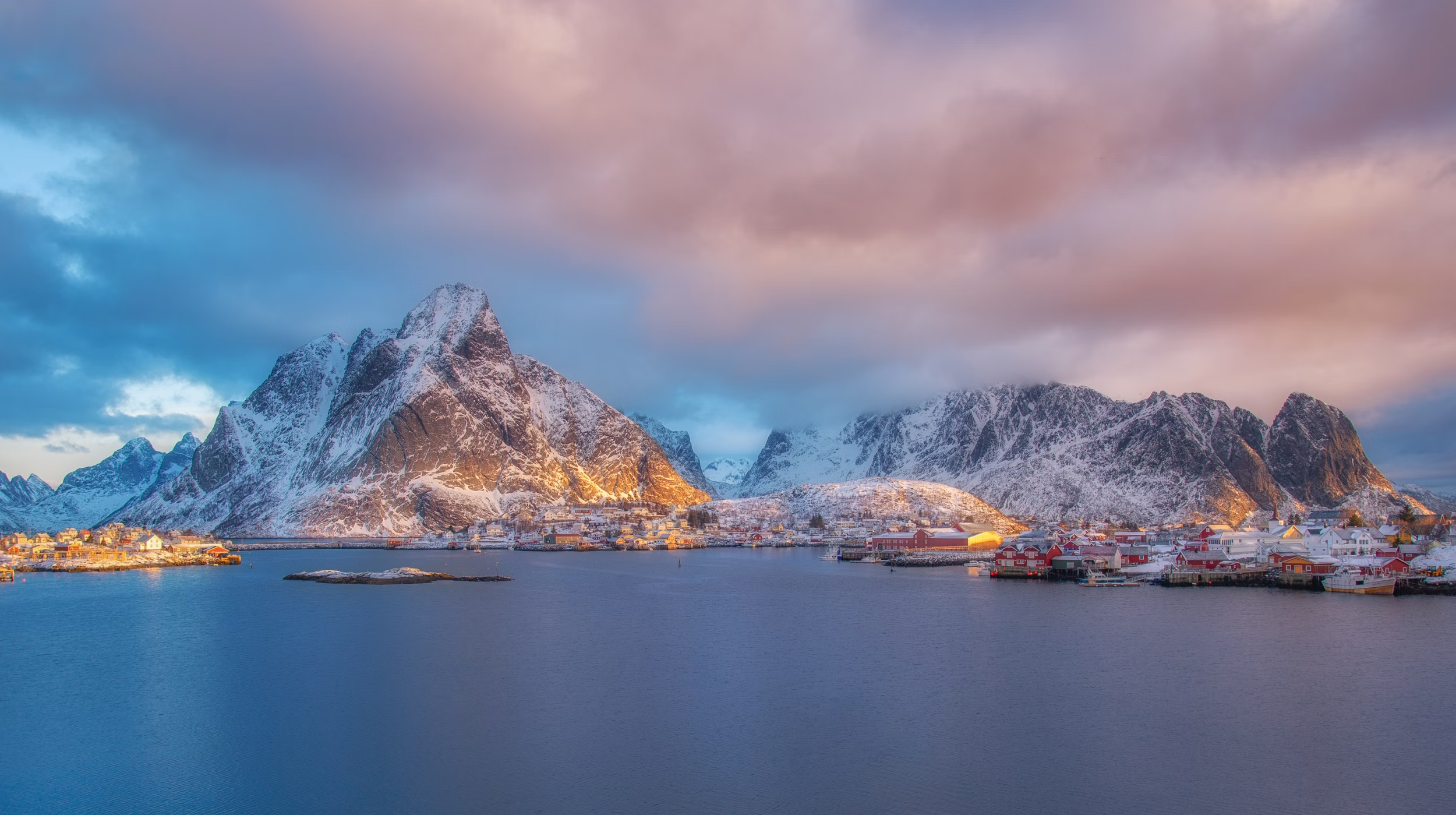
Winter Dawn at Reine
This is the classic postcard view captured from the Reinehalsen viewpoint, located immediately adjacent to the E10 bridge leading into the village. There is a dedicated parking lot, making access very easy, though it can become crowded with photographers during golden hour. A wide-angle lens (16-24mm) is essential to frame both the sprawling village and the mountain peak. March is an excellent time to visit for snowy textures combined with manageable daylight hours; arrive early for sunrise to catch the pink alpenglow on the peaks.
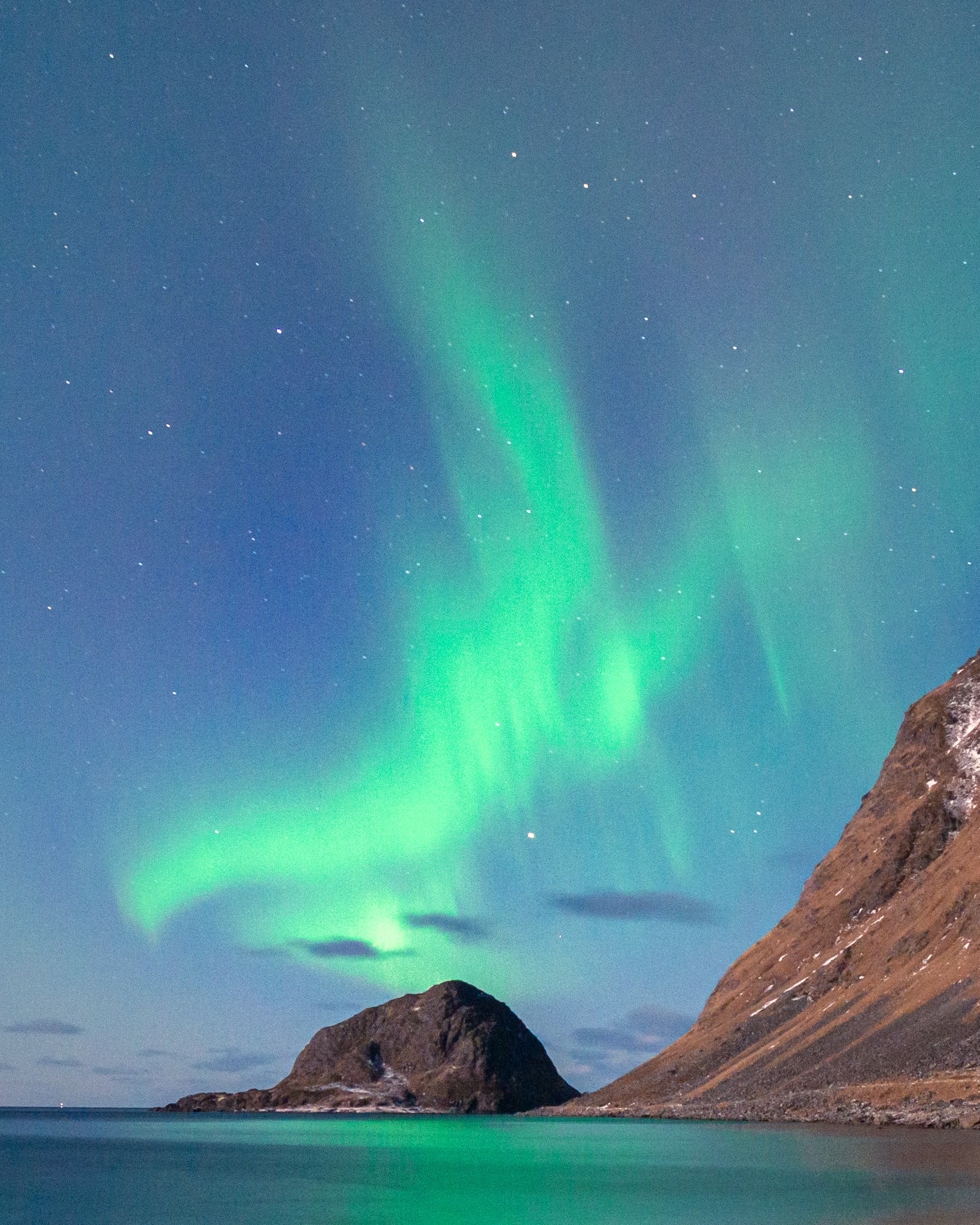
Lofoten Night Watch
This location appears to be Haukland Beach in Lofoten, looking towards the headland. The best time for Aurora photography here is from September to mid-April, with March being particularly good for balancing snowy landscapes with accessible roads. Arrive early to scout your composition in daylight, as the shoreline rocks can be slippery and tricky to navigate in the dark. A sturdy tripod is essential for long exposures. While this shot was taken at f/8, it is generally recommended to use the widest aperture your lens allows (f/2.8 or f/4) to keep ISO lower or shutter speeds shorter to freeze the aurora's movement. Watch for light pollution from cars on the nearby road.
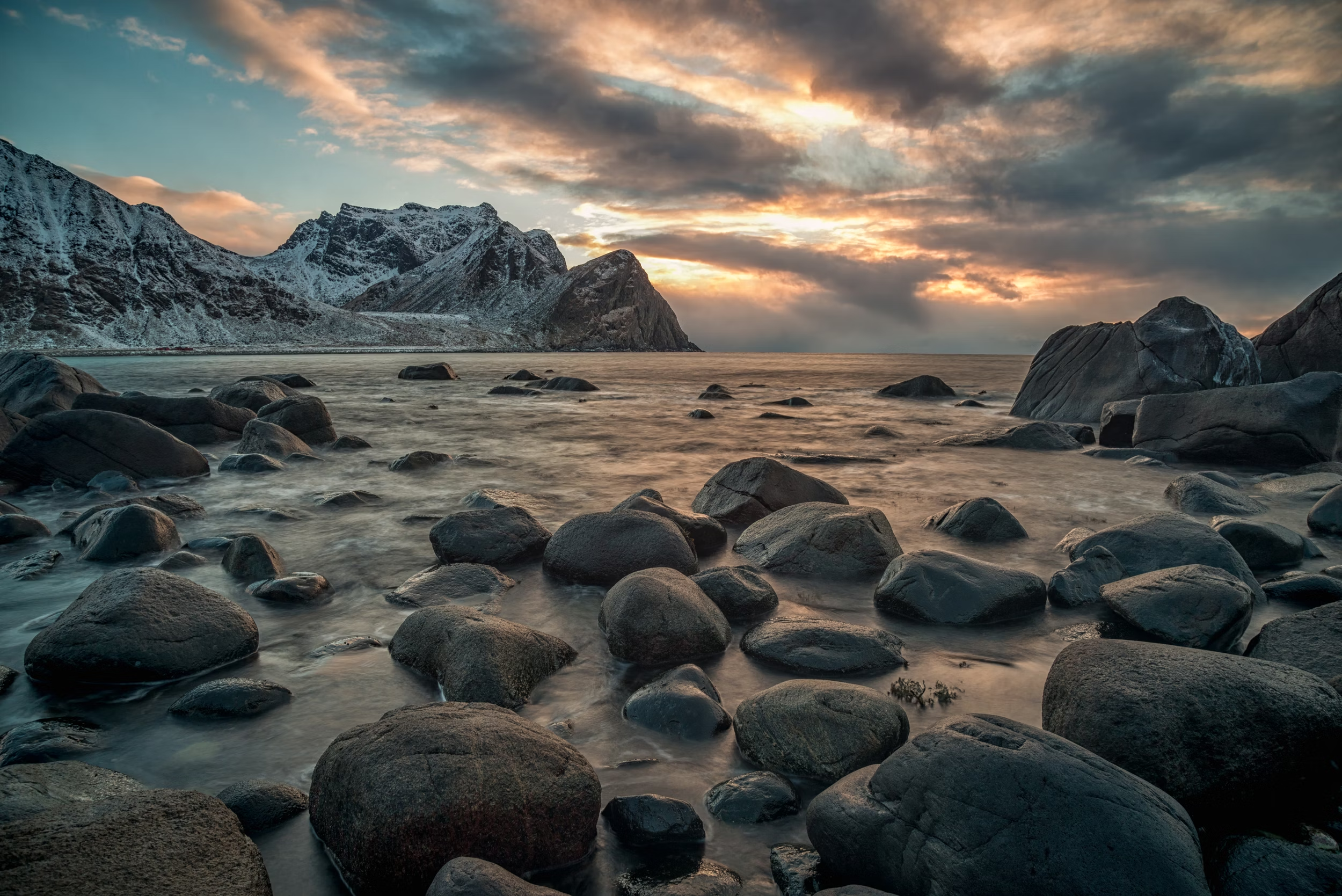
Uttakleiv Shoreline
This image was taken at Uttakleiv Beach on Vestvågøya in the Lofoten archipelago, a location famous for its round, polished rocks and the 'Dragon's Eye' formation. Late winter (February to March) is an excellent time to visit to ensure snow on the mountains while keeping the shoreline relatively accessible. A wide-angle lens (16-24mm) is crucial here; get the tripod low to the ground to emphasize the scale of the foreground boulders. This beach faces north-west, making it a prime location for sunsets and, later in the evening, the Northern Lights. Watch your step, as the intertidal rocks are notoriously slippery with kelp and ice.
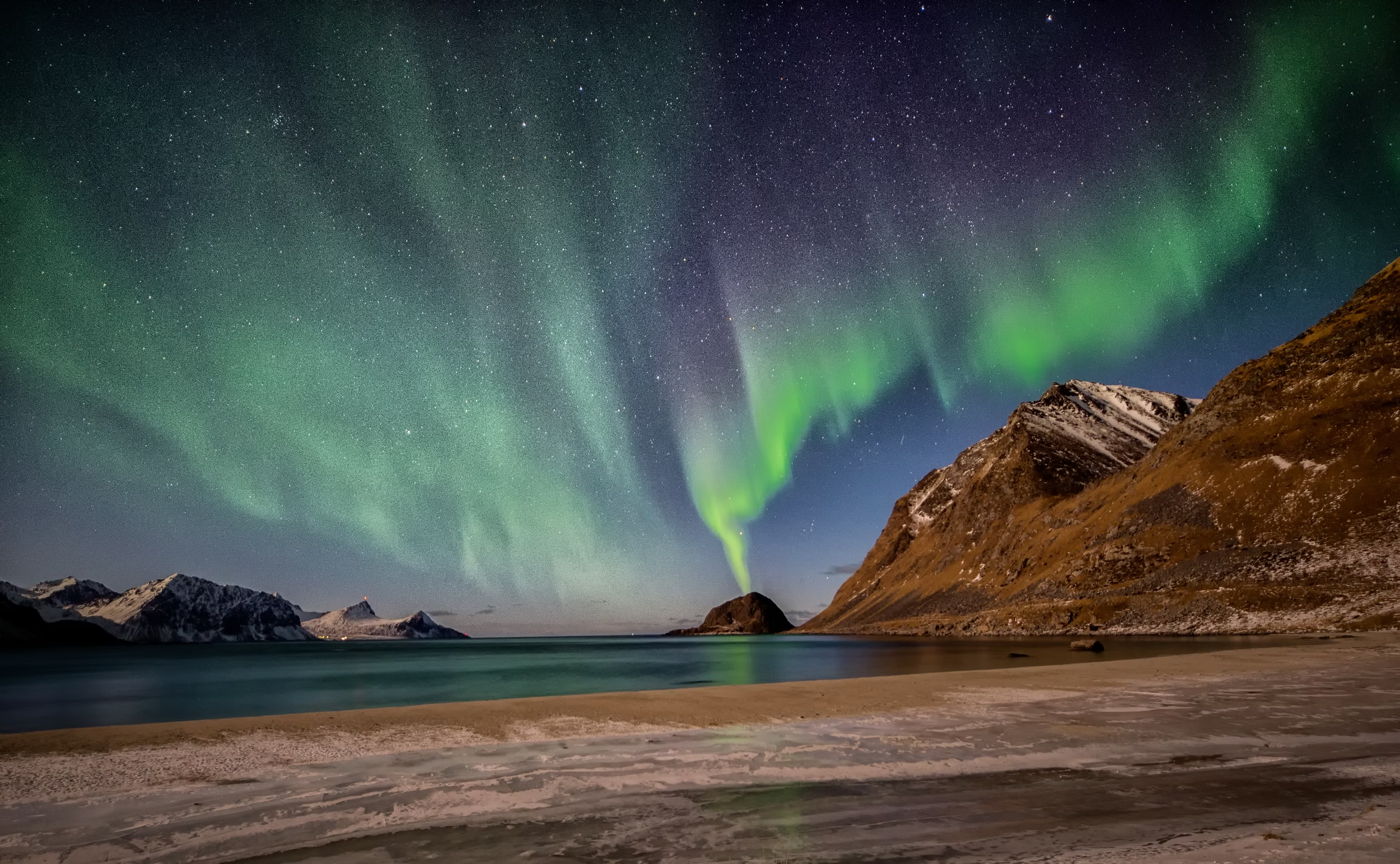
Aurora Over Haukland
This image was taken at Haukland Beach (Hauklandstranda), one of Lofoten's most accessible and photogenic locations. The beach faces north/northwest, making it perfect for capturing auroras over the open ocean without light pollution. Park in the large lot right next to the beach; no hiking is required, making it easy to carry heavy gear. A ultra-wide lens (14mm-20mm) is crucial here to fit the expansive sky and the foreground patterns in a single frame. Aim for a shutter speed of 8-15 seconds; longer exposures might blur the distinct bands of the aurora if they are moving quickly.
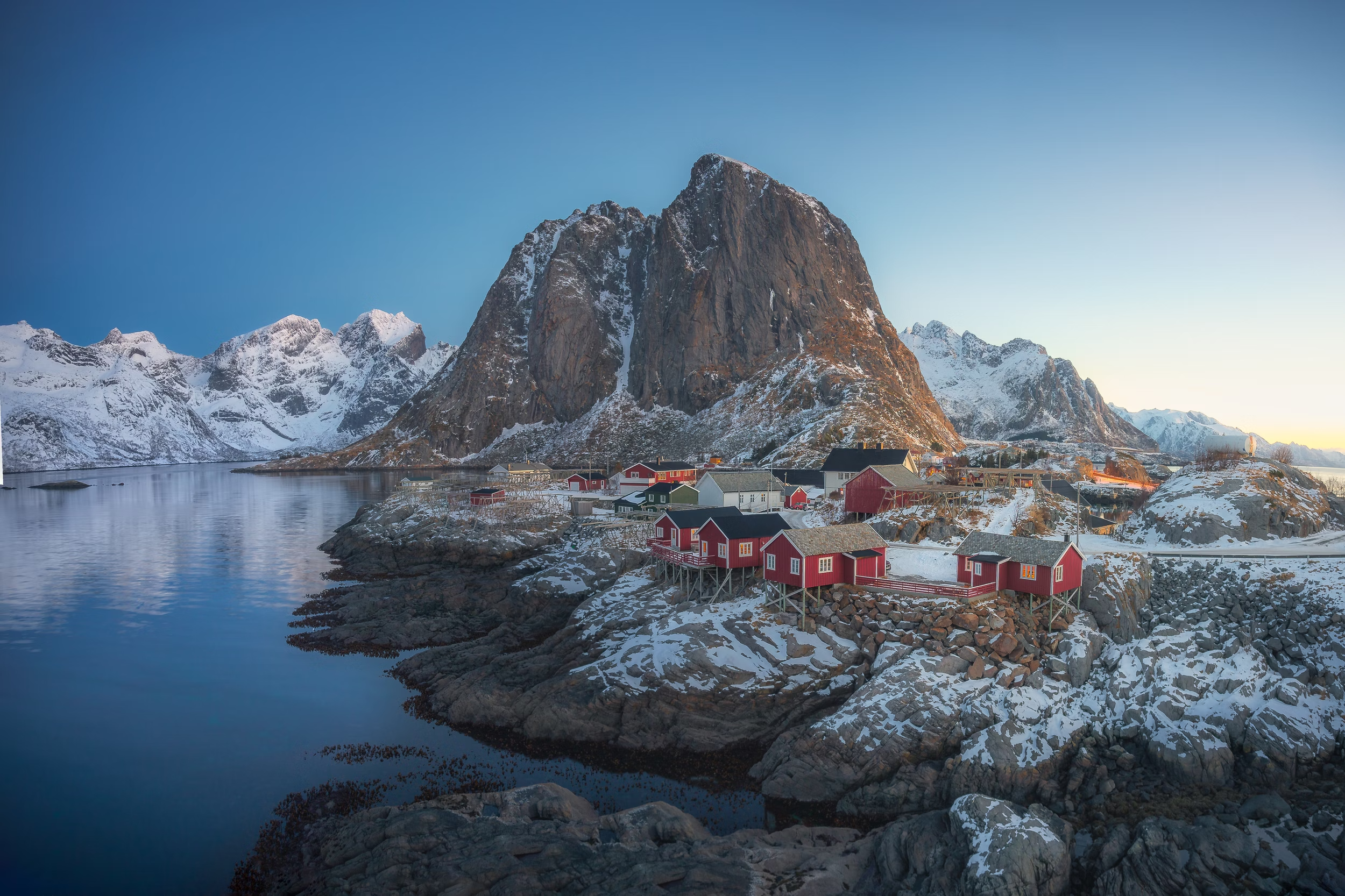
Hamnøy Winter Morning
This image is taken from the pedestrian walkway on the Hamnøy Bridge (Hamnøybrua) looking towards the village. A wide-angle lens (around 20mm) is essential to frame both the foreground rocks and the mountain peak simultaneously. The location is extremely popular; arrive early for sunrise to catch the alpenglow on the peak, or shoot during blue hour for a balance between natural light and the warm glow of the cabin windows. Parking is available at the nearby Eliassen Rorbuer lot, but utilize a tripod carefully as vibrations from passing trucks on the bridge can impact sharpness.
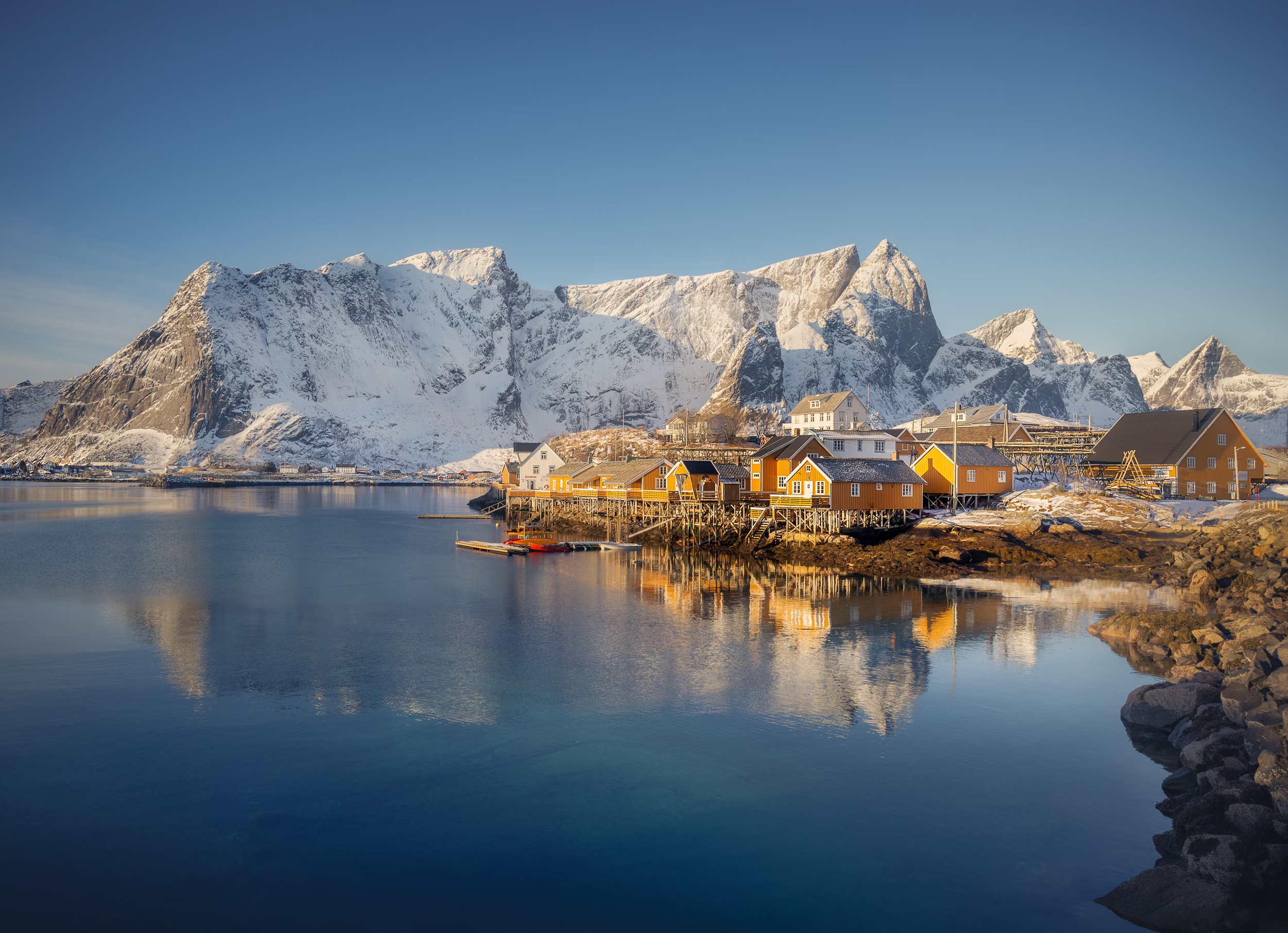
Sakrisøy Winter Reflections
This iconic viewpoint is located on the E10 road, specifically from the small bridge or the rocky shoreline just before entering Sakrisøy from the east. The yellow cabins distinguish this location from the red ones found elsewhere in Lofoten. Visit during mid-morning in late winter (February to March) to get this frontal lighting on the mountain and cabins; later in the day, the sun dips behind the peaks. A focal length between 24mm and 35mm captures the full reflection and the mountain peak without excessive distortion. Parking is very limited near the bridge, so plan to park at a designated area nearby and walk back.
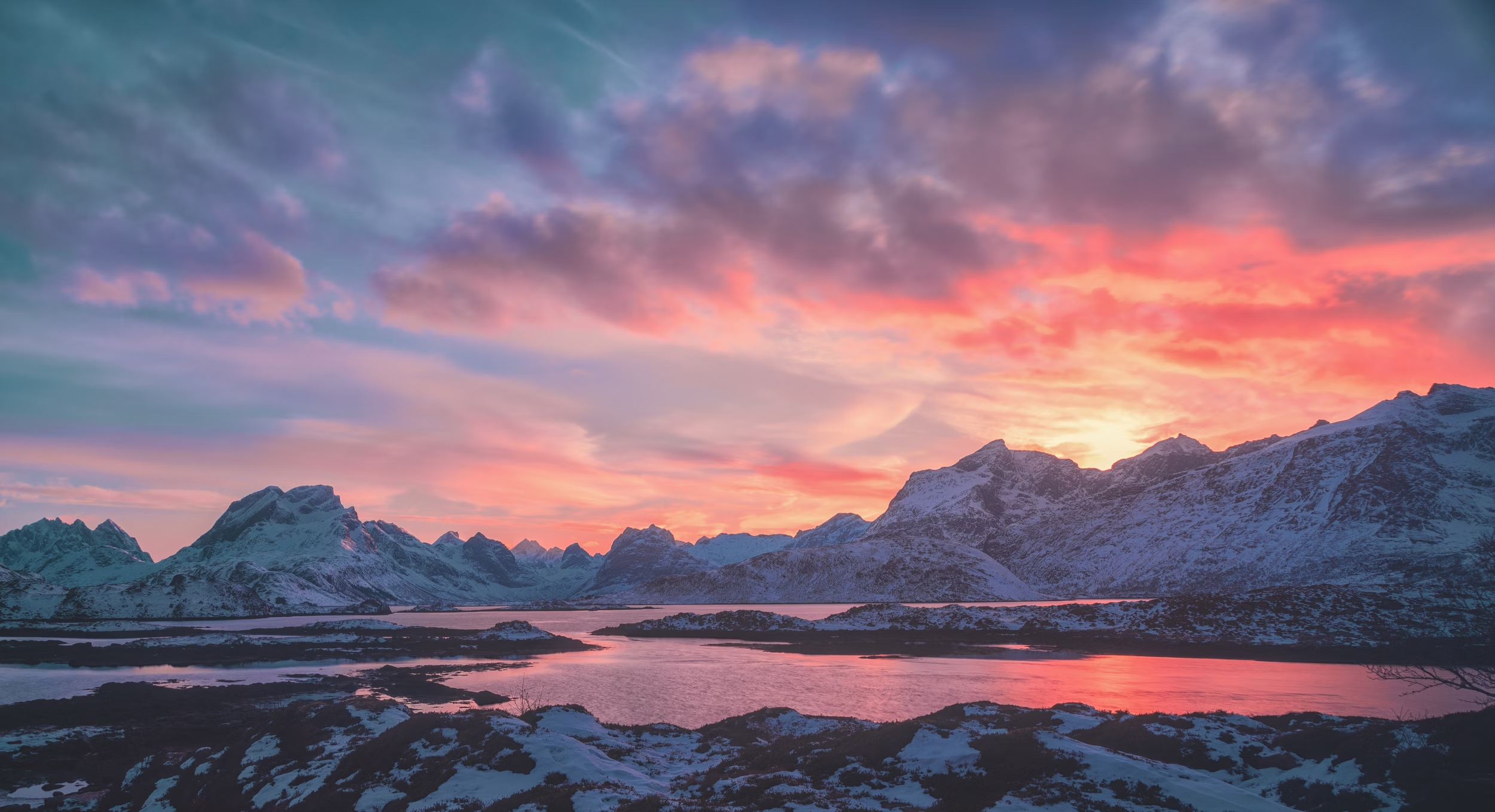
Pastel Winter Sunset
This location is typical of the roadside views found in the Lofoten Islands, particularly near Fredvang or along the Selfjorden inlets. March is an excellent time to visit as the days are getting longer, but the mountains remain snow-capped. A wide-angle lens (24mm or wider) is necessary to capture the expanse of the sky and the mountain range. A sturdy tripod is mandatory for capturing the dynamic range at sunset with a low ISO and slow shutter speed (6 seconds here). Look for foreground elements like frozen inlets or rocks to anchor the composition.
Nusfjord Fishing Village
68.03° N · 13.35° E
Skagsanden Beach
68.07° N · 13.25° E
Uttakleiv Beach
68.13° N · 13.50° E
Lofotr Viking Museum + Boat
68.22° N · 13.61° E
Ready to shoot Lofoten Islands?
Get a full photographer's itinerary with golden-hour times and spot-by-spot plans — built by PhotoScout in under a minute.